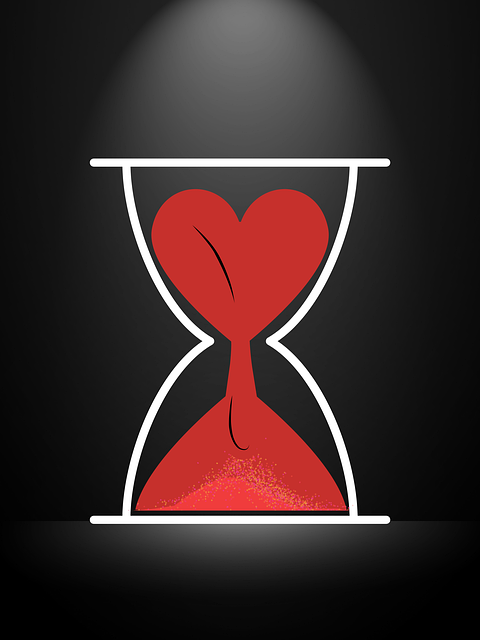
Trauma bonds can feel nearly impossible to leave, not because someone is weak or “choosing” the relationship, but because these bonds operate beneath conscious thought. They form in the nervous system, in the attachment system, and in the deep psychological patterns that shape how we seek safety. Understanding this helps replace shame with compassion and opens the door to healing.
The Bond Is Neurological
Trauma bonding is rooted in the brain’s survival circuitry. When a relationship cycles between fear, unpredictability, and intermittent comfort, the nervous system becomes hyper-attuned to the moments of relief. Research from the National Institute of Mental Health highlights how chronic stress reshapes neural pathways, making the brain prioritize survival over logic or long-term planning.
In a trauma bond, the body learns to associate the person causing distress with the person who can relieve it. This creates a powerful loop of craving, fear, and temporary soothing that feels similar to addiction. The bond becomes less about love and more about neurobiology.
Tip: Difficulty leaving is not weakness, it’s wiring. Healing begins when we understand that the nervous system is doing its best to protect us, even when its strategies no longer serve us.
Attachment Loss Feels Like Threat
Humans are wired for connection. When an attachment, healthy or not, is threatened, the brain interprets it as danger. This is why leaving a trauma bond can trigger intense fear, grief, panic, or a sense of “I can’t survive without them.”
The American Psychological Association notes that attachment trauma activates the same neural regions involved in physical pain. For someone with a history of inconsistent caregiving or abandonment, the threat of losing a bond can feel overwhelming, even if the relationship is harmful.
This is not a failure of judgment. It’s the attachment system doing what it was designed to do: keep you connected to your perceived source of safety.
Tip: Fear does not mean danger is present. It means your attachment system is activated, and that can be worked with, gently and gradually.
Hope Keeps the Bond Alive
Hope is one of the most powerful human motivators. In trauma bonds, hope becomes a survival strategy: Maybe this time things will change. Maybe this time the good moments will last.
Intermittent reinforcement, periods of affection or calm followed by conflict, strengthens this hope. The brain becomes conditioned to wait for the next “good moment,” even if those moments are rare.
But hope alone cannot create change. Change requires consistent, sustained action from both people. Without that, hope becomes a trap that delays healing.
Tip: Change requires consistent action, not intermittent promises. Real transformation is observable, reliable, and maintained over time.
Moving From Shame to Compassion
Understanding why trauma bonds are so hard to break is not about excusing harmful behaviour, it’s about reclaiming your power. When you see the neurological, emotional, and psychological forces at play, the narrative shifts from “Why can’t I just leave?” to “My body is trying to protect me, and I can learn new ways to feel safe.”
Compassion creates space for healing. It allows you to move at your own pace, build support, and strengthen the parts of you that know you deserve safety, stability, and peace.
Sources & References
American Psychological Association – Attachment Trauma
National Institute of Mental Health – Stress and Attachment
Moving Toward Safer, Healthier Connection
Healing a trauma bond is not a linear process. It’s a gradual unfolding, one that asks for patience, compassion, and support. As you’ve explored this series, you may have noticed moments of recognition, grief, relief, or even resistance. All of these responses are valid.
Trauma bonds form because connection once felt necessary for survival. Healing happens when safety becomes possible again, first within yourself, and then within your relationships. Over time, the nervous system can learn that love does not have to hurt, that intensity is not the same as intimacy, and that consistency can feel grounding rather than dull.
You don’t need to rush this process. You don’t need to have all the answers. Awareness alone is a powerful step toward change.
If trauma bonding has shaped your relationships, working with a trauma-informed therapist can offer a steady, supportive space to untangle attachment wounds, rebuild trust in yourself, and move toward relationships that feel secure, mutual, and emotionally safe.
Healing is not about erasing the past, it’s about creating a future where connection no longer costs you yourself.
Explore the Series
- What Is Trauma Bonding?
- Why Does Trauma Bonding Occur? Understanding the Psychology Behind the Bond
- How Do You Know If You Are Trauma Bonded With Someone?
- How to Stop Trauma Bonding: Gentle Steps Toward Safety
- Why Is a Trauma Bond So Hard to Break?
- How to Heal a Trauma Bond and Rebuild Emotional Safety
If this series has resonated with you, support can make the healing process feel less overwhelming and less lonely. Therapy can help you move toward relationships rooted in safety, respect, and mutual care.