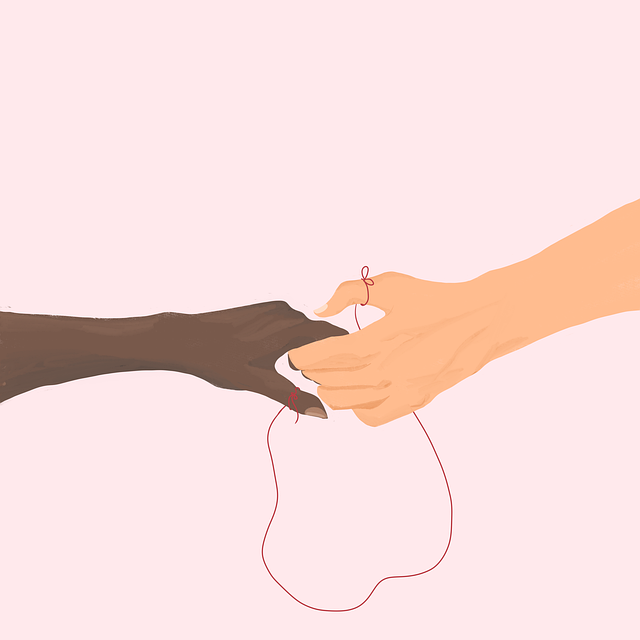
Many people sense something is off in a relationship long before they have the language for what they’re experiencing. Trauma bonding rarely announces itself clearly. Instead, it unfolds slowly, often disguised as intensity, chemistry, loyalty, or “working through things.” By the time awareness surfaces, the bond can feel confusingly strong, even when the relationship is painful.
Understanding trauma bonding isn’t about blaming yourself. It’s about reclaiming clarity, compassion, and choice.
What Trauma Bonding Really Is
Trauma bonding describes a powerful emotional attachment that forms through cycles of harm and reconciliation. These cycles activate the brain’s stress and attachment systems in ways that can make unhealthy relationships feel difficult to leave. Research on trauma and attachment shows that intermittent reinforcement, periods of closeness followed by conflict or fear, creates some of the strongest emotional conditioning humans can experience.
If you’ve ever wondered, “Why can’t I walk away when I know this hurts?” you’re not alone. And you’re not broken. You may be trauma bonded.
Below are some of the most common signs.
1. You Feel Addicted to the Relationship
Even when the relationship causes distress, you may feel unable to leave. Attempts to create distance can trigger panic, grief, or physical symptoms, tightness in the chest, nausea, shaking, or overwhelming longing. These reactions are not signs of weakness; they reflect how deeply trauma and attachment systems intertwine. The National Institute of Mental Health notes that trauma can heighten the body’s stress responses, making separation feel threatening even when it’s necessary.
This “addicted” feeling often shows up as:
- Returning after promising yourself you wouldn’t
- Feeling relief only when the other person offers affection
- Experiencing withdrawal-like symptoms when apart
Tip: Intense longing after harm is a signal worth exploring, not a sign that the relationship is meant to be.
2. You Minimize or Rationalize Harm
People in trauma bonds often become experts at explaining away hurtful behavior. You may find yourself saying things like:
- “They didn’t mean it.”
- “I shouldn’t have pushed them.”
- “Everyone has flaws.”
- “It’s not that bad.”
Over time, this self-blame erodes your ability to trust your own perceptions. The mind adapts to survive the relationship by shrinking the significance of painful moments and magnifying the good ones.
This pattern is especially common when:
- Apologies are inconsistent or followed by repeated harm
- You fear conflict or their reactions
- You feel responsible for their emotions or behavior
Tip: If you wouldn’t want someone you love to tolerate the same treatment, it’s worth pausing and reflecting.
3. High Highs and Low Lows Dominate the Relationship
Trauma bonds thrive on emotional extremes. The relationship may swing between:
- Intense closeness and affection
- Sudden distance, conflict, or fear
- Passionate reconciliation
These highs can feel euphoric, like proof of deep connection. But they’re often the nervous system’s response to relief after stress. The lows, meanwhile, can feel devastating, leaving you desperate to return to the high.
This cycle can create:
- Emotional exhaustion
- Hypervigilance (“Which version of them will I get today?”)
- A sense that stability equals boredom
Tip: Stability is not boredom; it’s safety. Healthy relationships feel steady, not like a rollercoaster.
4. Your Sense of Self Has Shrunk
One of the most painful signs of trauma bonding is the quiet erosion of identity. You may notice that you:
- Doubt your own boundaries
- Silence your needs to keep the peace
- Feel disconnected from your values
- Struggle to recognize yourself
Research from the American Psychological Association shows that relational trauma can diminish self-concept, making it harder to advocate for yourself or imagine life outside the relationship.
This shrinking often happens gradually:
- You stop doing things you once loved
- You feel smaller, quieter, or less confident
- You prioritize their needs over your own without noticing
Tip: Losing yourself is not the price of love. Healthy connection expands who you are; it doesn’t erase you.
Why These Patterns Are So Hard to See
Trauma bonds form in the spaces where love, fear, hope, and harm collide. They often begin with genuine affection or connection, which makes the later pain harder to reconcile. The nervous system becomes conditioned to expect both closeness and danger from the same person, creating confusion and emotional dependency.
You may also feel:
- Ashamed for staying
- Afraid of judgment
- Protective of the relationship
- Hopeful that things will change
These feelings are common. They’re also human.
Reclaiming Awareness and Choice
Recognizing trauma bonding is not about labeling yourself or diagnosing your relationship. It’s about understanding the forces at play so you can make choices from clarity rather than fear or conditioning.
Awareness often unfolds in stages:
- Noticing something feels off
- Naming the patterns
- Understanding the emotional and physiological roots
- Reconnecting with your values and boundaries
- Considering what safety and healing look like for you
You don’t have to navigate this alone. Speaking with a mental health professional can help you explore these patterns with support and care.
Trauma bonding doesn’t mean you’re weak, dramatic, or incapable of healthy love. It means your nervous system adapted to survive a painful dynamic. With awareness, compassion, and support, those patterns can shift. You deserve relationships where safety, respect, and steadiness are the norm, not the exception.
Sources & References
American Psychological Association – Emotional Abuse
National Institute of Mental Health – Trauma and Stress
Moving Toward Safer, Healthier Connection
Healing a trauma bond is not a linear process. It’s a gradual unfolding, one that asks for patience, compassion, and support. As you’ve explored this series, you may have noticed moments of recognition, grief, relief, or even resistance. All of these responses are valid.
Trauma bonds form because connection once felt necessary for survival. Healing happens when safety becomes possible again, first within yourself, and then within your relationships. Over time, the nervous system can learn that love does not have to hurt, that intensity is not the same as intimacy, and that consistency can feel grounding rather than dull.
You don’t need to rush this process. You don’t need to have all the answers. Awareness alone is a powerful step toward change.
If trauma bonding has shaped your relationships, working with a trauma-informed therapist can offer a steady, supportive space to untangle attachment wounds, rebuild trust in yourself, and move toward relationships that feel secure, mutual, and emotionally safe.
Healing is not about erasing the past, it’s about creating a future where connection no longer costs you yourself.
Explore the Series
- What Is Trauma Bonding?
- Why Does Trauma Bonding Occur? Understanding the Psychology Behind the Bond
- How Do You Know If You Are Trauma Bonded With Someone?
- How to Stop Trauma Bonding: Gentle Steps Toward Safety
- Why Is a Trauma Bond So Hard to Break?
- How to Heal a Trauma Bond and Rebuild Emotional Safety
If this series has resonated with you, support can make the healing process feel less overwhelming and less lonely. Therapy can help you move toward relationships rooted in safety, respect, and mutual care.