Our Seasonal Depression Series explores what causes these changes, how to recognize the signs, and what truly helps you feel better during the colder months.


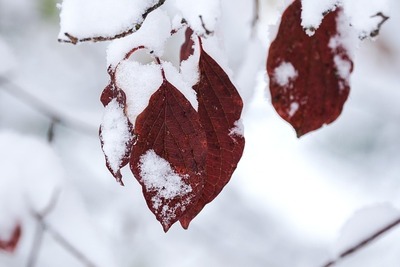
As the days grow shorter and sunlight becomes scarce, many people experience what’s often called the “winter blues.” For some, this is mild and temporary; for others, it develops into Seasonal Affective Disorder (SAD), a recurring form of depression that follows a seasonal pattern.
But how long do the winter blues actually last? The answer depends on a mix of biology, environment, and lifestyle. Understanding the timeline can help you take early, effective steps to feel better.
1. Typical Duration of the Winter Blues
For most people, winter blues begin in late fall as daylight hours decrease and continue through the darkest months of winter, typically November to February in the Northern Hemisphere.
Mild symptoms, such as fatigue, lower motivation, or sadness, may fade as daylight increases. However, if symptoms persist or worsen, it may indicate seasonal depression (SAD) rather than a brief seasonal slump.
According to the American Psychiatric Association, SAD usually lasts about 4–5 months per year, resolving naturally as spring returns and sunlight exposure increases.
Tip: If your low mood lasts for more than two weeks, affects your work, relationships, or sleep, it’s time to talk to a professional.
2. Why Symptoms Last So Long
The duration of seasonal depression symptoms is linked to how long your body experiences reduced sunlight exposure, which affects your mood-regulating hormones.
Reduced sunlight can cause:
-
Lower serotonin levels, which impact mood and motivation
-
Higher melatonin levels, which cause fatigue and oversleeping
-
Disrupted circadian rhythm, leading to mood instability and brain fog
These biological changes can persist until your brain and body recalibrate, typically when daylight naturally increases or when interventions like light therapy and routine adjustments help reset your internal rhythm.
Tip: You don’t have to wait for spring. Light therapy, vitamin D, and lifestyle changes can begin improving symptoms within 1–2 weeks.
3. Factors That Influence How Long It Lasts
While most people feel better by early spring, several factors can influence how long winter blues or SAD last:
-
Geography: People living farther from the equator tend to experience longer and more intense symptoms due to prolonged darkness.
-
Genetics: A family history of depression or SAD may make symptoms more persistent.
-
Lifestyle: Limited outdoor time, lack of exercise, and disrupted sleep can extend symptom duration.
-
Stress: Emotional or work-related stress can worsen and lengthen depressive episodes.
Tip: Keeping a consistent daily schedule and getting regular sunlight exposure, even through a window, can shorten the duration of symptoms.
4. When the “Blues” Might Be More Than Seasonal
If your mood doesn’t improve as seasons change or if symptoms return year after year, you may be experiencing seasonal affective disorder (SAD) rather than mild winter blues.
Common SAD symptoms include:
-
Persistent sadness or hopelessness
-
Extreme fatigue or low motivation
-
Changes in appetite or weight
-
Social withdrawal or loss of interest in activities
-
Difficulty concentrating
These symptoms are more intense and typically last throughout the winter months without treatment. The good news? With the right support, SAD is highly treatable.
Tip: Early intervention such as light therapy, therapy sessions, or vitamin D supplementation, can significantly reduce both the intensity and length of the episode.
5. How to Shorten the Duration of Winter Blues
You can take proactive steps to lessen how long seasonal depression lasts and reduce its impact each year.
Evidence-based strategies include:
-
Light Therapy: 20–30 minutes each morning using a 10,000-lux light box.
-
Movement: Regular physical activity to boost endorphins and serotonin.
-
Routine: Consistent wake, sleep, and meal times.
-
Social Connection: Staying engaged with others to counter isolation.
-
Therapy: Cognitive-behavioral therapy (CBT) is proven effective for SAD.
Combining these strategies often leads to faster relief, sometimes within a few weeks, even in the middle of winter.
Strength in Seasonal Awareness
Recognizing your seasonal patterns helps you act before symptoms peak. Over time, you’ll learn what triggers your mood changes and what shortens them most effectively.
This awareness can transform winter from a season of survival into one of mindful self-care and gentle renewal.
Tip: Start your wellness plan early, ideally in early fall, to reduce both the severity and duration of symptoms.
Final Thoughts
For many, winter blues last only a few weeks, but for others, they can stretch into months without support. The key difference lies in awareness, prevention, and treatment.
You don’t have to wait for the sun to come back to feel better. With light therapy, structure, connection, and professional support, relief is absolutely possible, even in the darkest part of winter.
Ready to Take the Next Step?
If you notice the same pattern every year, mood changes, fatigue, or lack of motivation as winter approaches, it may be time to take action.
At Kristy-Ann DL Psychotherapy, we help individuals manage seasonal depression and winter blues with compassion and proven strategies.
Book a confidential consultation today and learn how to reduce the length and impact of seasonal depression, starting now.
Sources & References
-
American Psychiatric Association – Understanding Seasonal Affective Disorder
-
National Institute of Mental Health (NIMH) – SAD Overview
-
Journal of Affective Disorders – Seasonal Depression Duration and Light Exposure
-
Harvard Health Publishing – How to Cope with Winter Blues
-
Mayo Clinic – Seasonal Depression: Timeline and Treatment